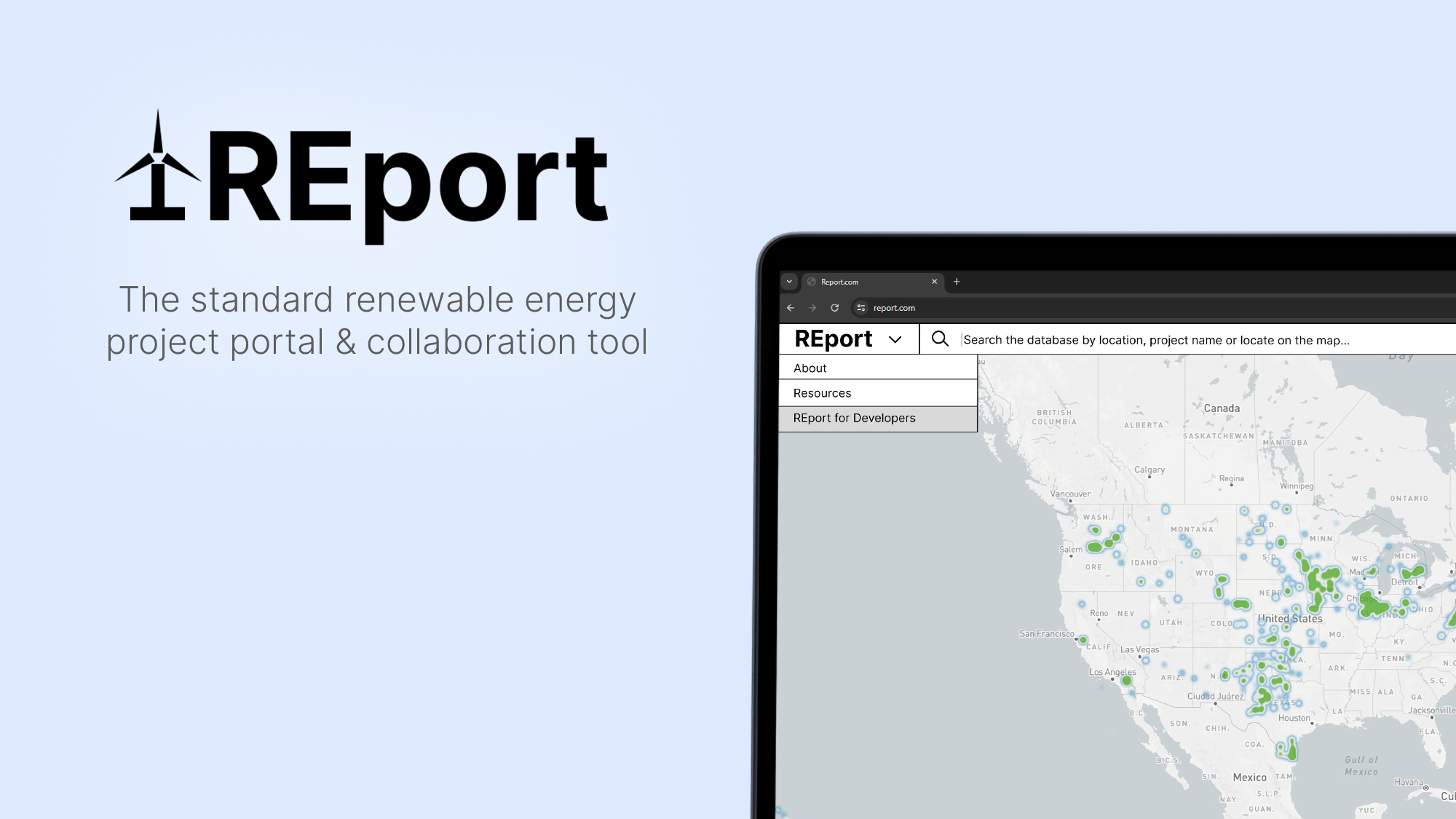
REport

Online portal and collaborative database for wind and solar installation projects, redefining the interaction between residents and developers through the sensititivites of the design research process and the benefits of participatory design.
Project Outcomes:
Literature review
Strategic analysis
Interface design and branding
REport - stakeholder & developer portal for renewable energy projects
In the RISD ID studio "Climate Crisis & Design", I proposed a design solution to increase communication, collaboration, acceptance between project stakeholders (developers and residents) of renewable energy installations, ultimately raising the rate of successful project completions.

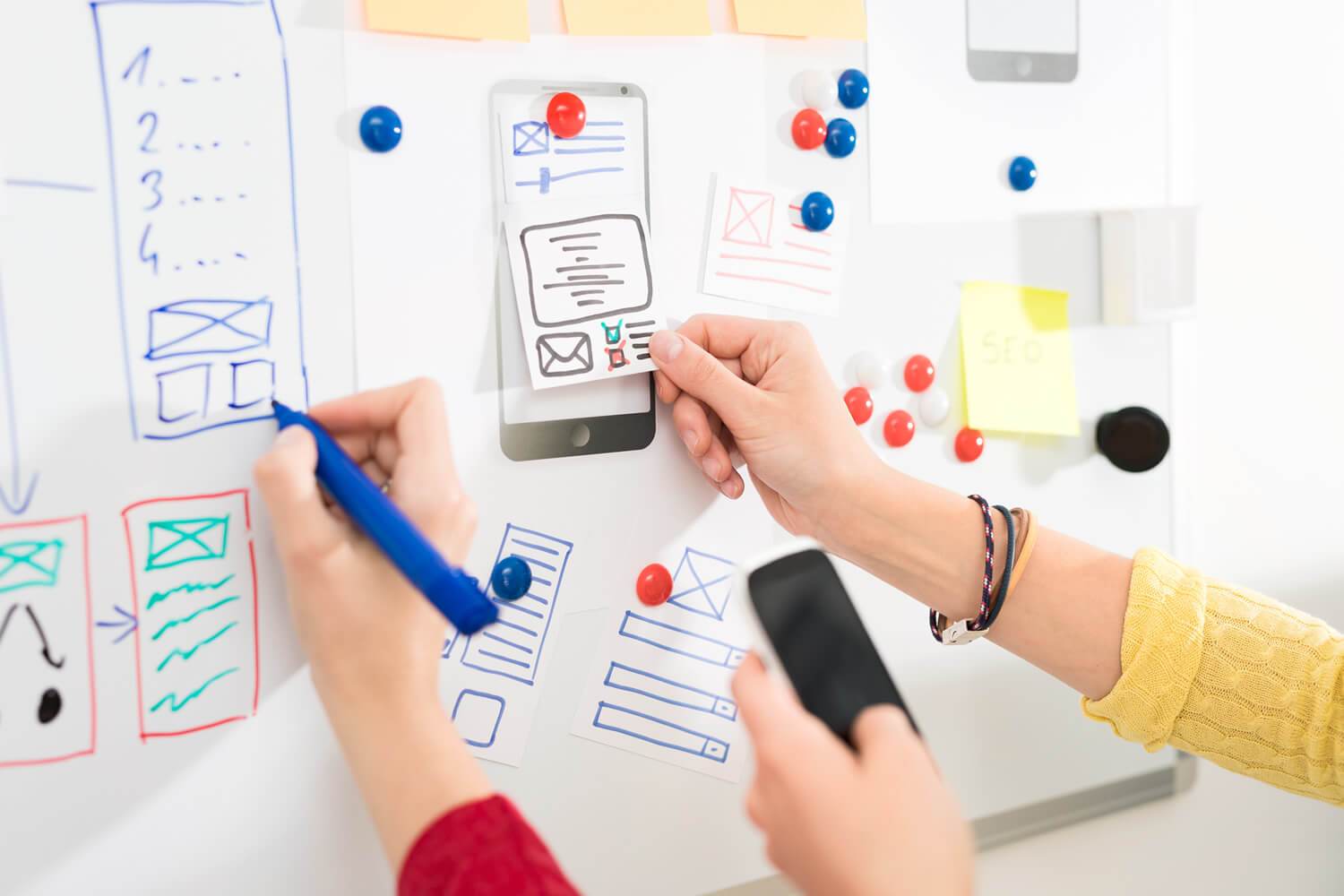
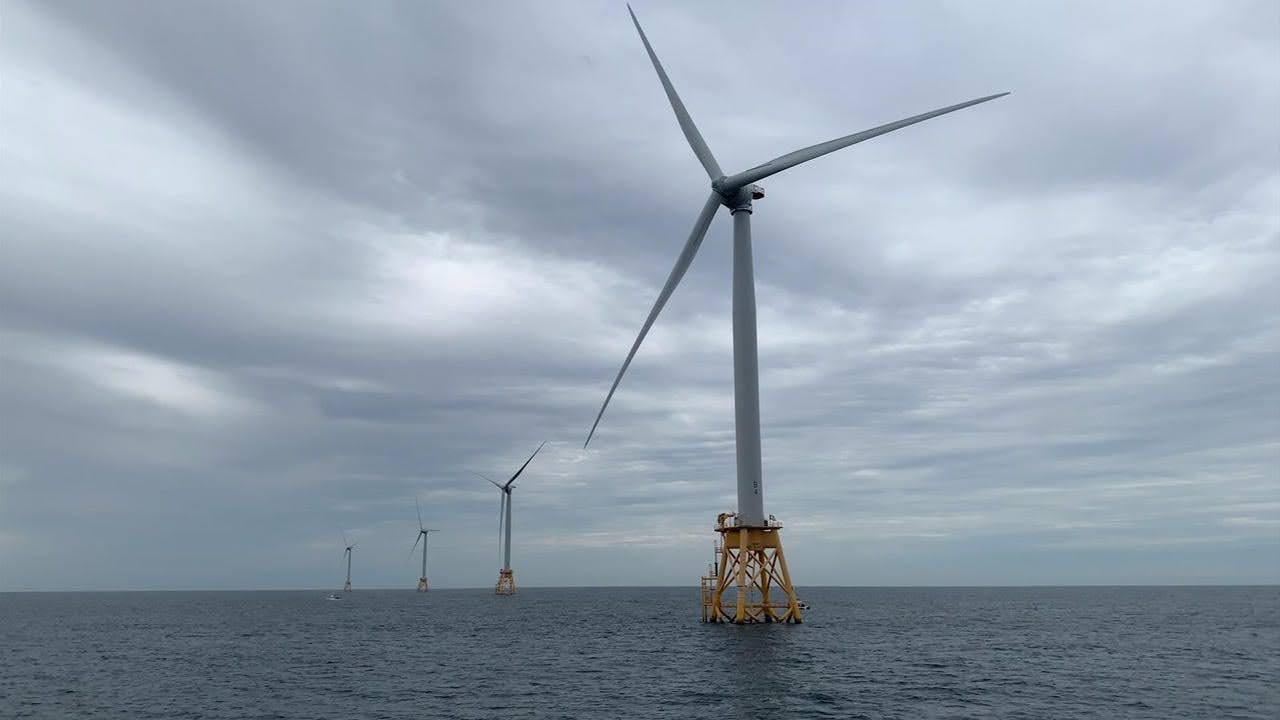
I researched from the residents', landowners', and contractors' perspectives through a survey of academic studies, public opinion, profiling of key players, and defining the current state by examining existing protocols along with case studies like the Block Island Wind Farm. I employed the ideation methodologies of mind-mapping and general brainstorming, sorting my ideas into quantifiable categories, and comparing them to the current market. Finally, I prototyped my design in Figma and tested my ideas in a class presentation and critique.
The Challenge of Renewable Energy Installations
Wind and Solar energy installations face a low acceptance rate, causing increased costs and limited deployment of the technology within the US. Conversely, projects that prioritize communication between stakeholders are more successful and less expensive.
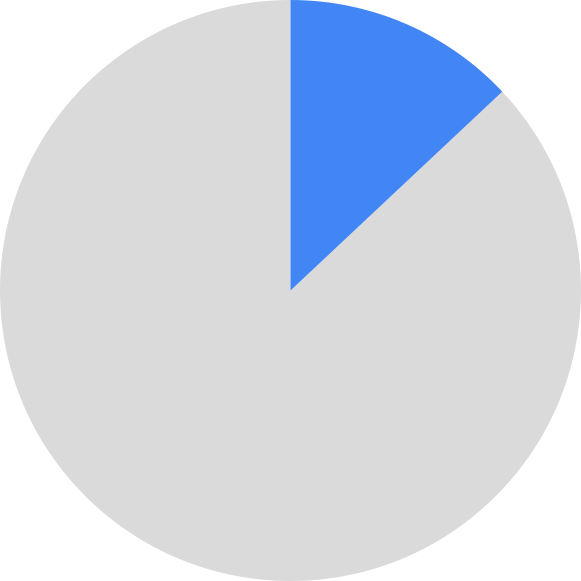
13%
Wind and solar energy account for only 13% of US energy production. The Biden administration has a goal of 80% renewable energy by 2030.
323
From 2015-2022, there were 323 communities in the US that rejected a proposed wind farm project. 
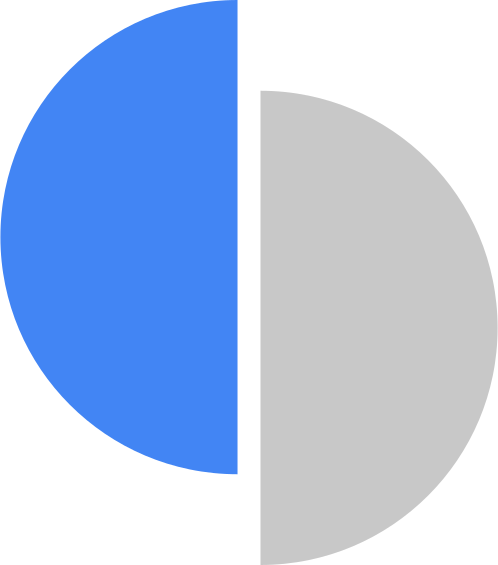
50%
Iowa State University class reported that up to 50% of wind projects fail during the Land Acquisition phase.
79%
A Stanford study estimated that developers could save 79% of their cost of energy if they utilize citizen engagment methods ($244.4/mWh vs. $51.35/mWh).
Problem Statement
During the planning of renewable energy farms, developers and local residents lack a standard procedure to ensure the utilization of community participation and the making of collaborative decisions. More collaborative wind projects would benefit the community’s interests, the owner’s bottom line, and the Earth’s environment.
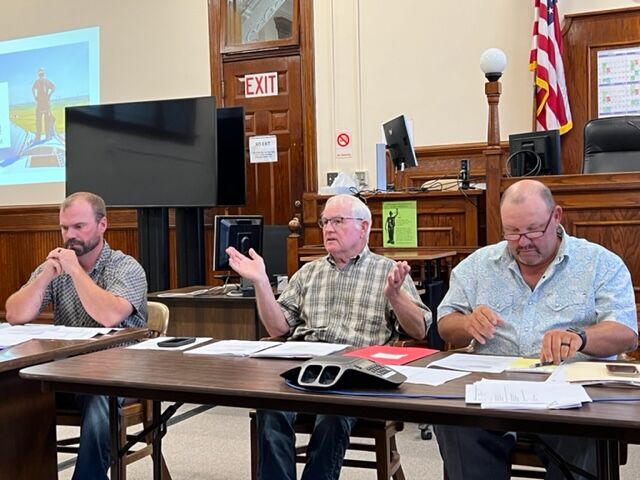
Fremont County Board of Supervisors
Developer Challenges
  • Optimize energy production with their layout plan
  • Establish public acceptance and trust throughout the project
  • Streamline community interactions to keep time & costs low
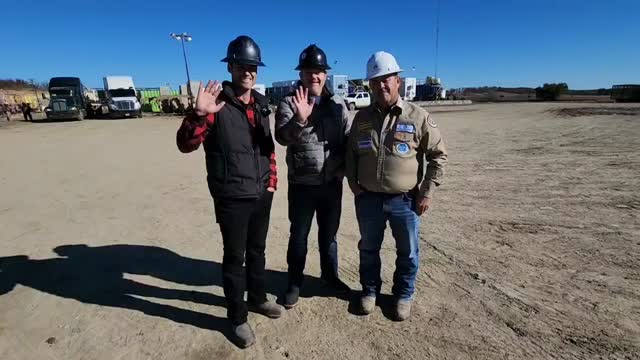
Mark Crowl, Invenergy
Resident Challenges
  • Uncertainty due to lack of information
  • Demands more project transparency
  • Wants to hold the developer accountable to the community effects
  • Desires control over the visual and environmental effects to their land
  • Overall doubt leading to NIMBY mindset
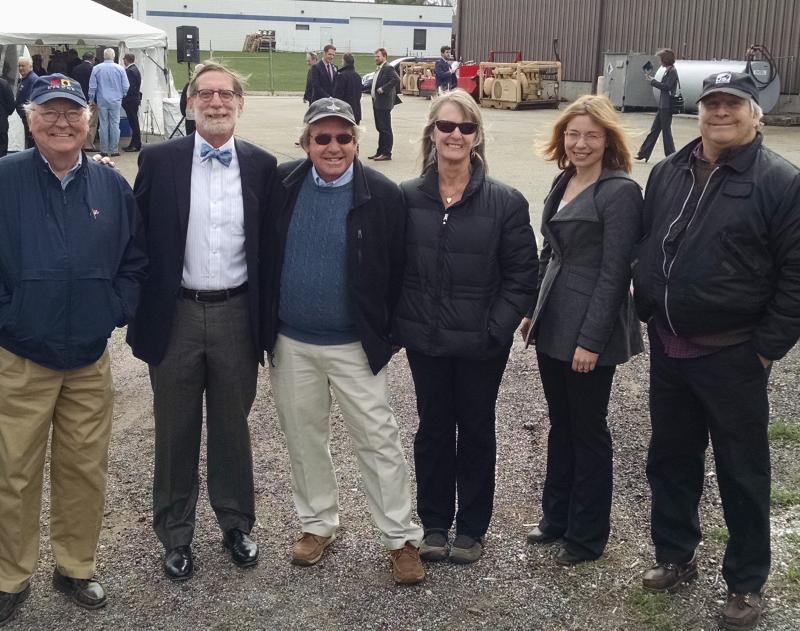
Block Island Energy Utility Task Group
A Promising Application of Participatory Design
Participatory Design
"A democratic process for design (social and technological) of systems involving human work, based on the argument that users should be involved in designs they will be using." (Muller & Kuhn, 1993)
Process Benefits
  • Enable innovative solutions
  • Reduce the risk of failure
  • Increase engagement & acceptance
The Proposal: "REport"
REport will harness the principles of participatory design to increase the quality and success rate of renewable energy (wind and solar) installation projects through an online portal and collaboration tool.
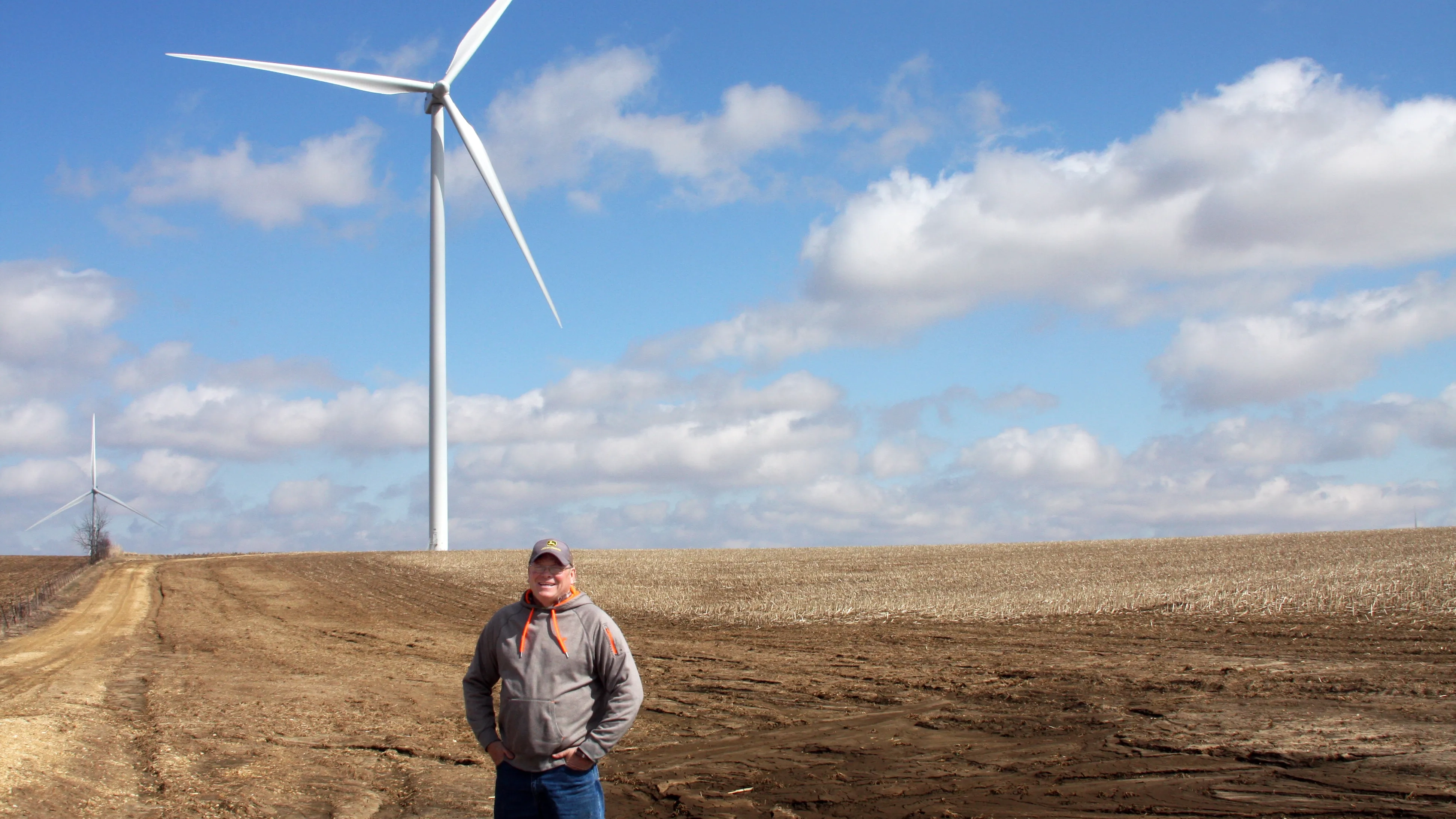
Matt Johnson, Wisconsin Farmer
Goals
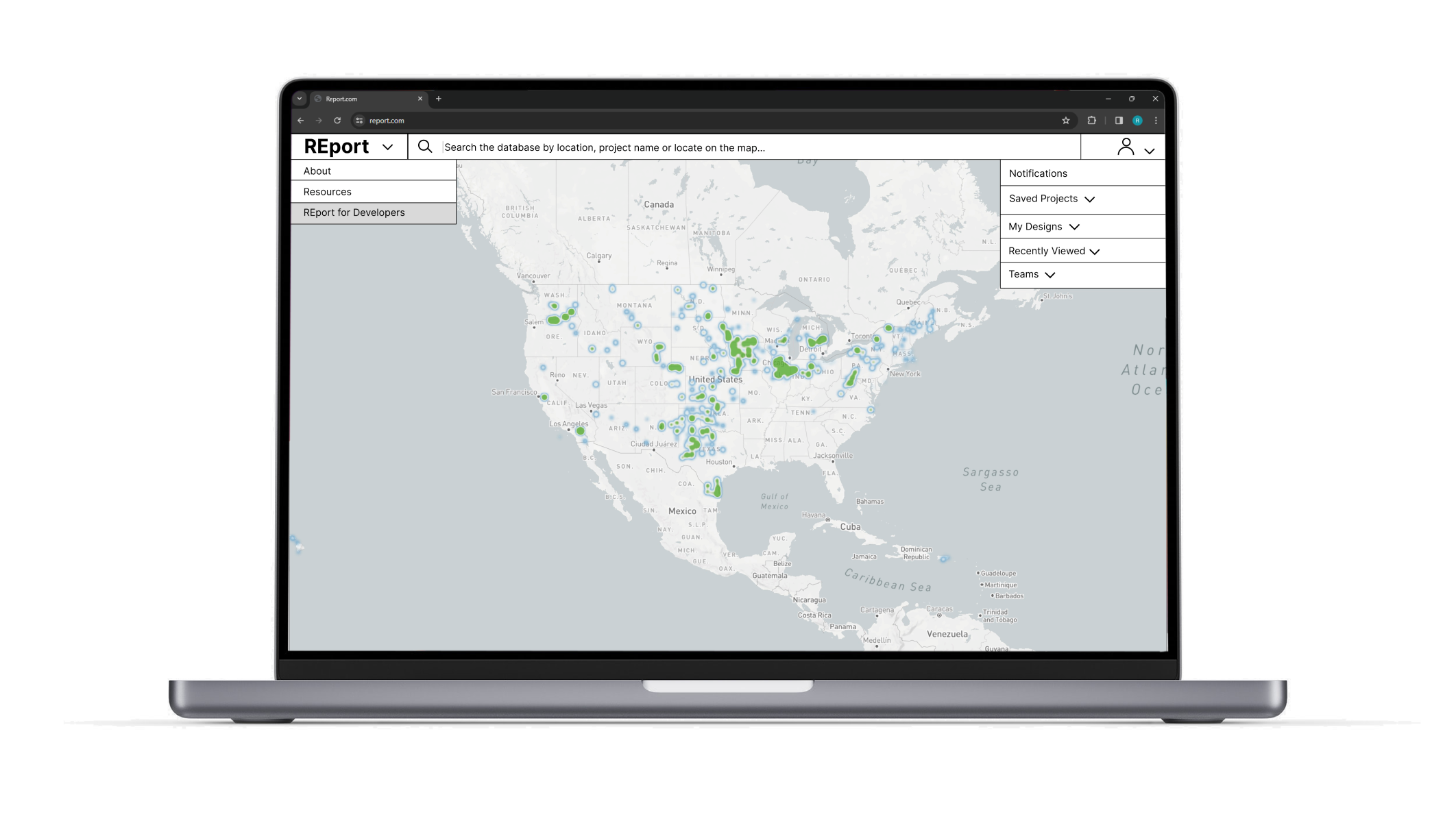
  • User-friendly method for residents and developers to post, access, understand, and discuss information and proposals
  • Standard procedure that will streamline the interaction workflow
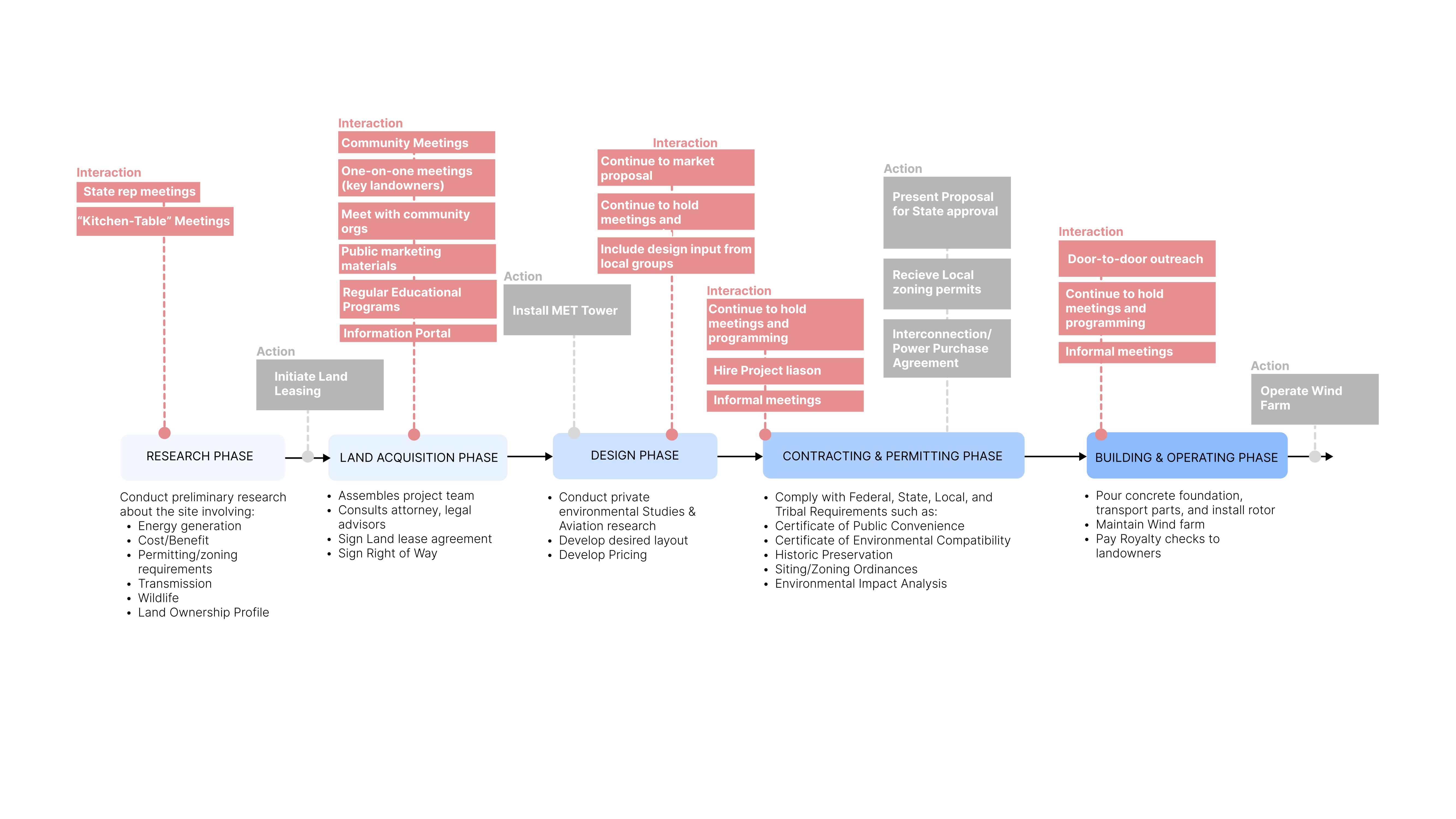
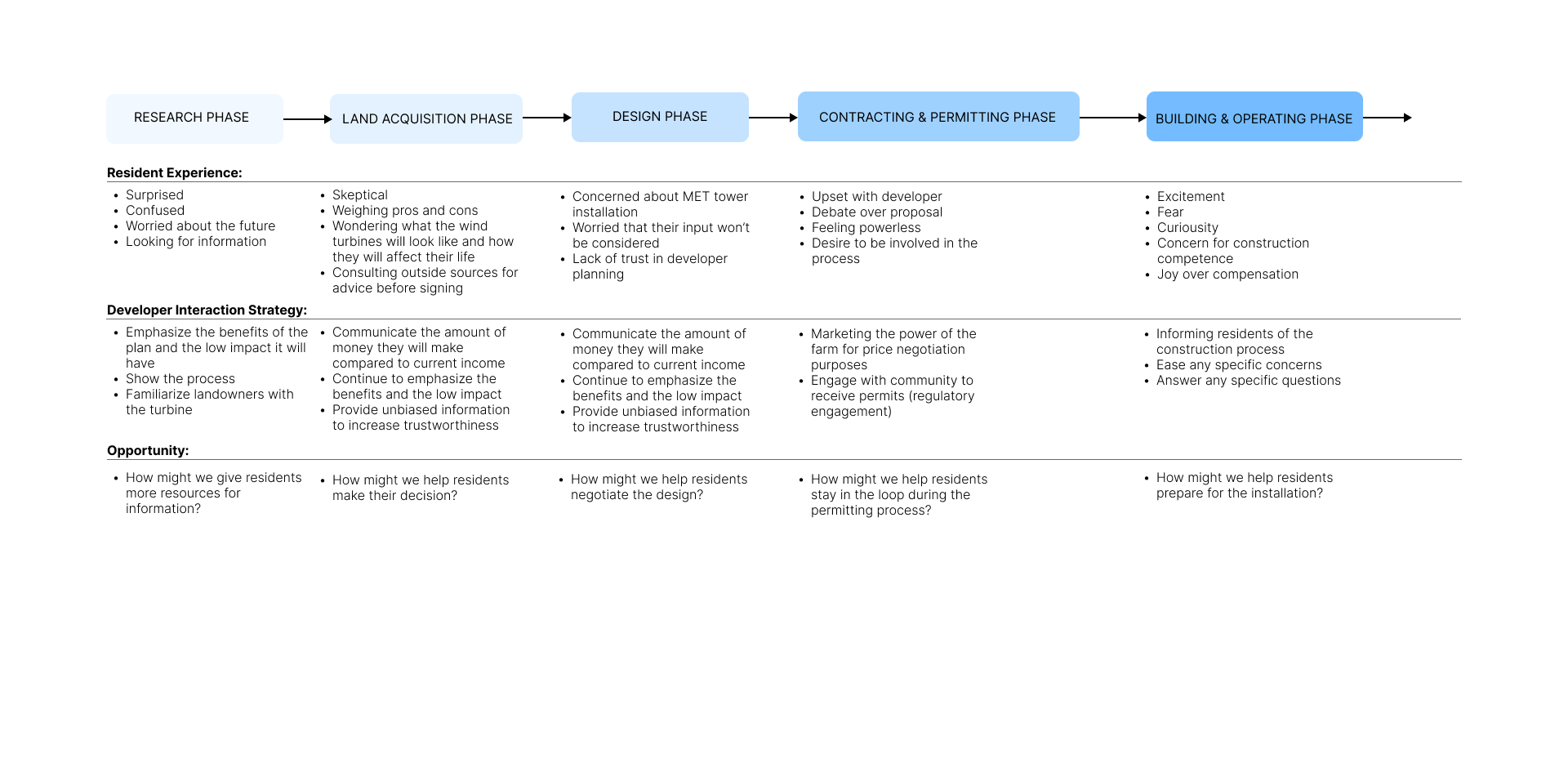
Installation Process User(s) Journey Map
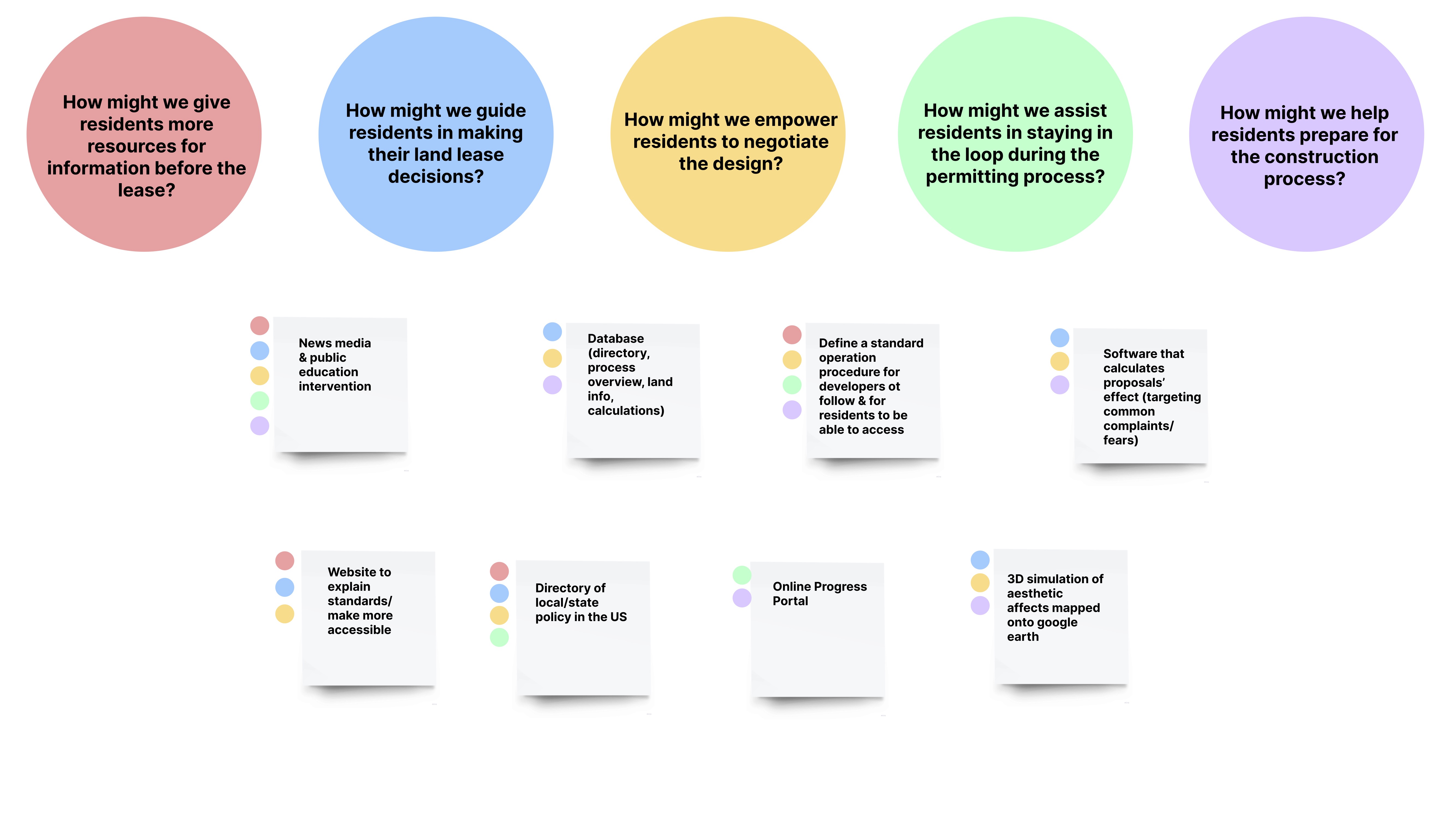
Opportunities: Wind
Ideation based on Defined Opportunities
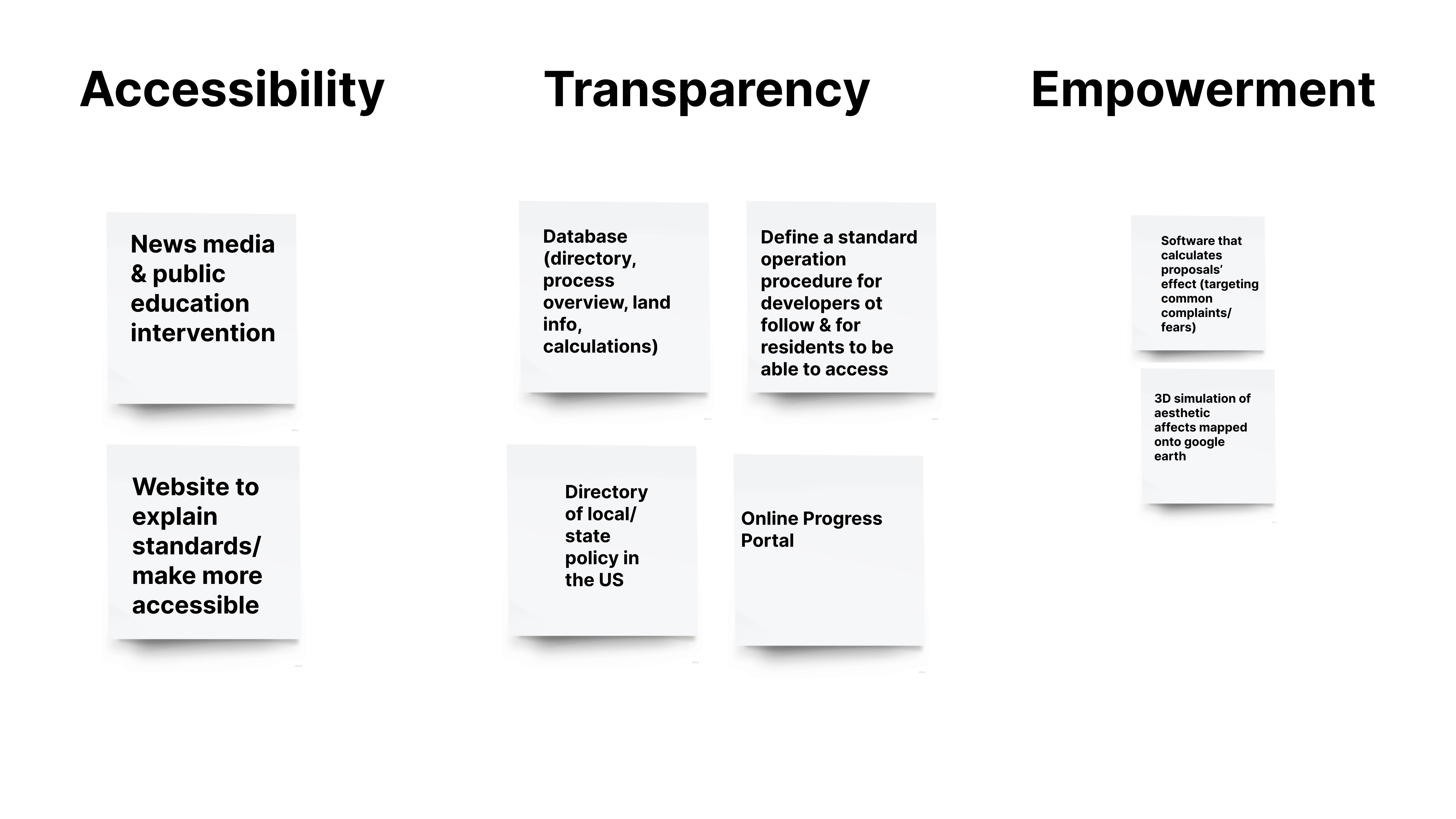
Sorting Ideas into Target Categories
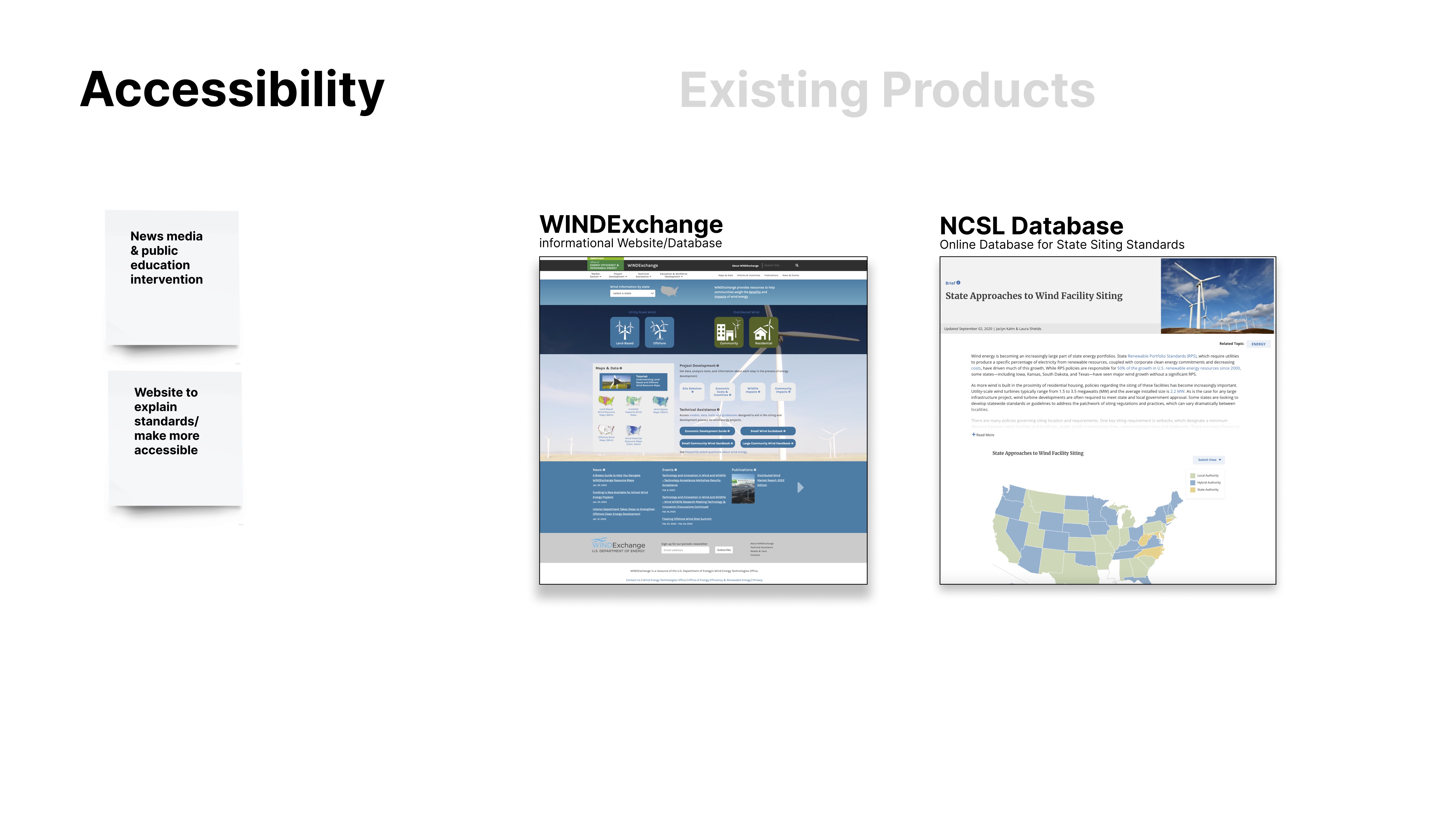
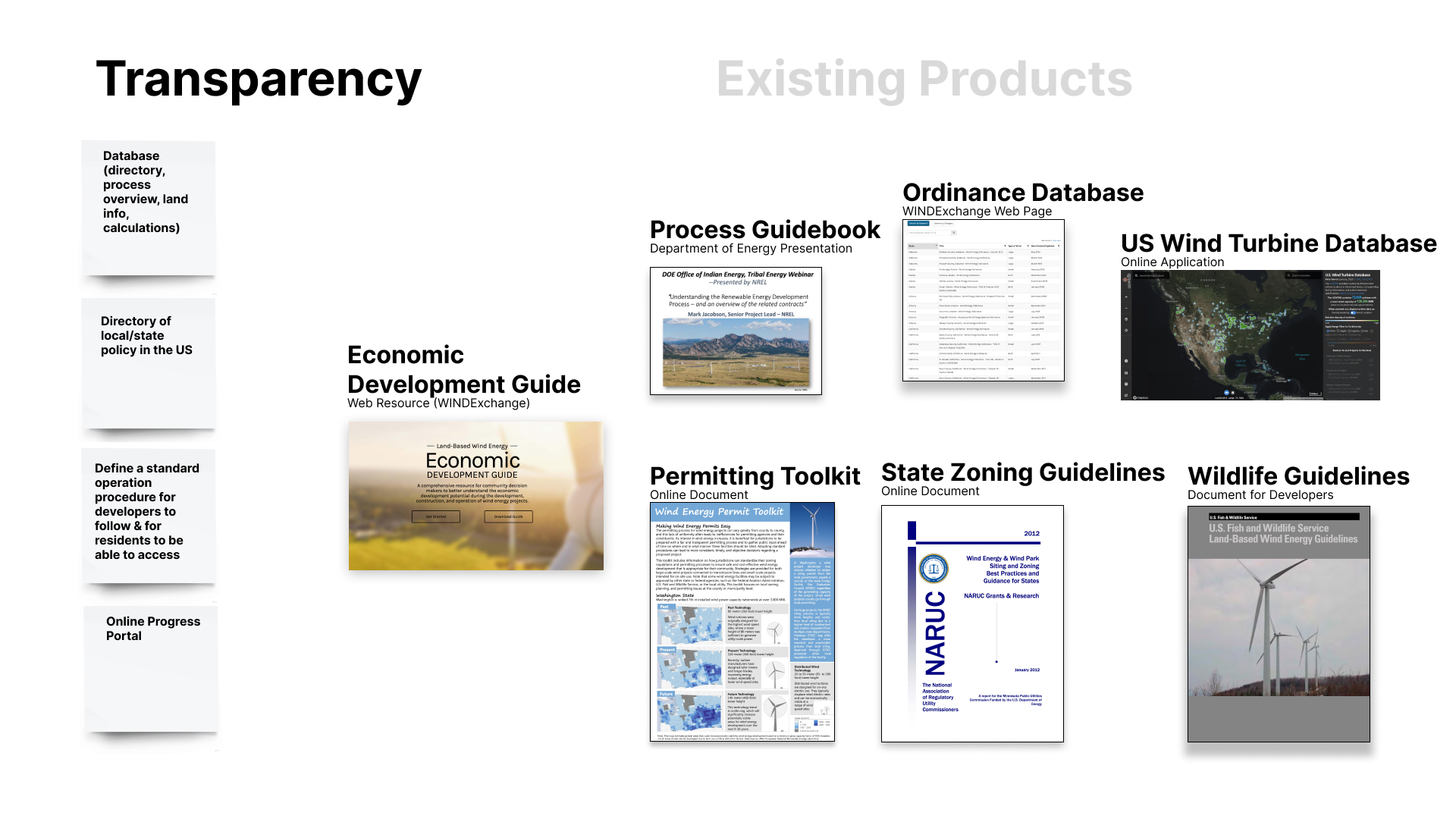
Existing Solutions: Wind
Findings: Wind
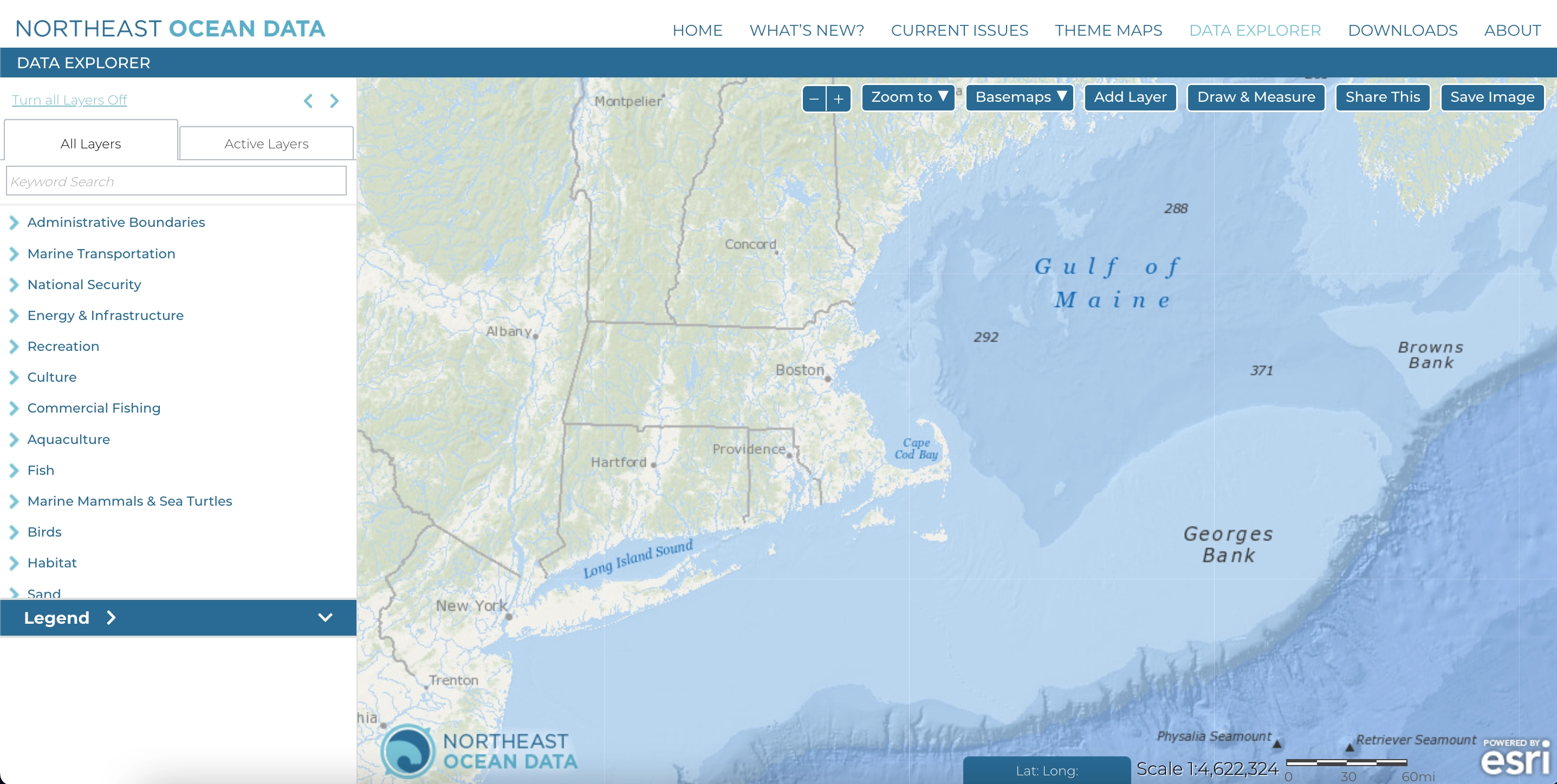
There is currently no online progress portal for land-based wind projects
Northeast Ocean Data Portal
Online Portal to Track Offshore Wind Project Progress
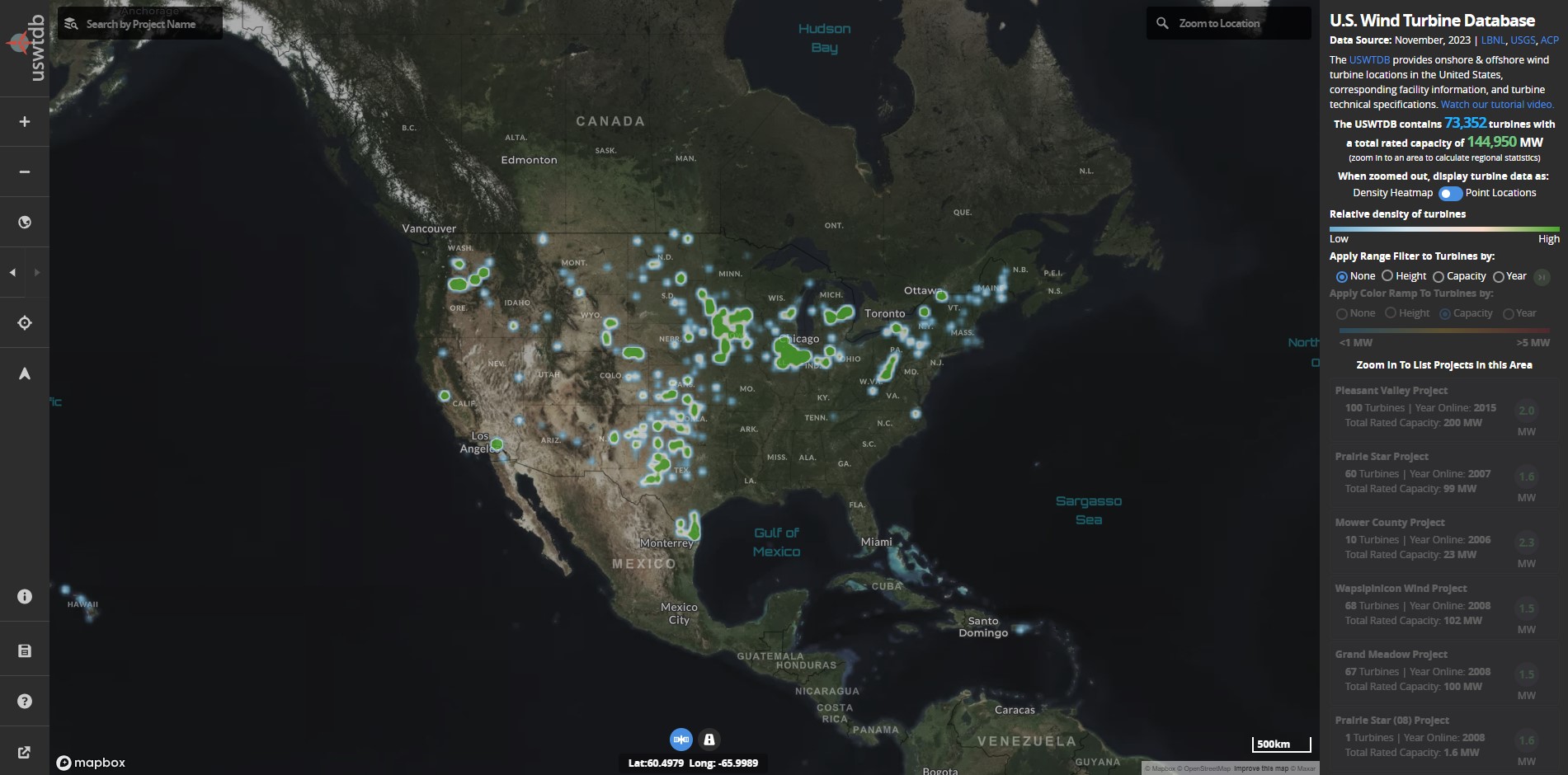
US Wind Turbine Database
Online Application
  • US Bureau of Ocean Energy Management progress portal is a robust, user-friendly database to track current offshore wind projects with accessible timeline information
  • The US Wind Turbine Database does not have these project tracking pages
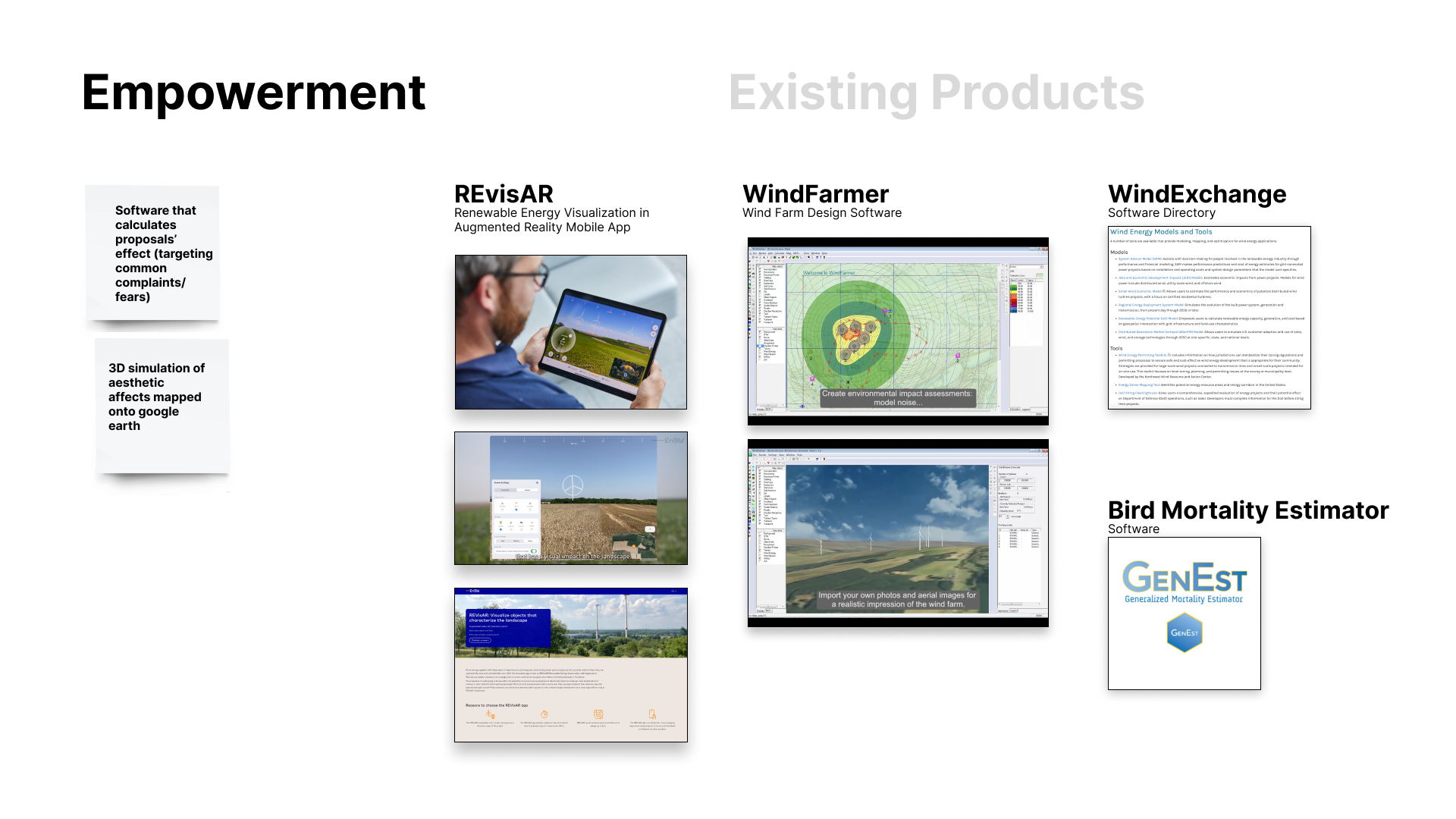
There is currently no public, user friendly design software oriented towards community concerns (vs. energy profit).
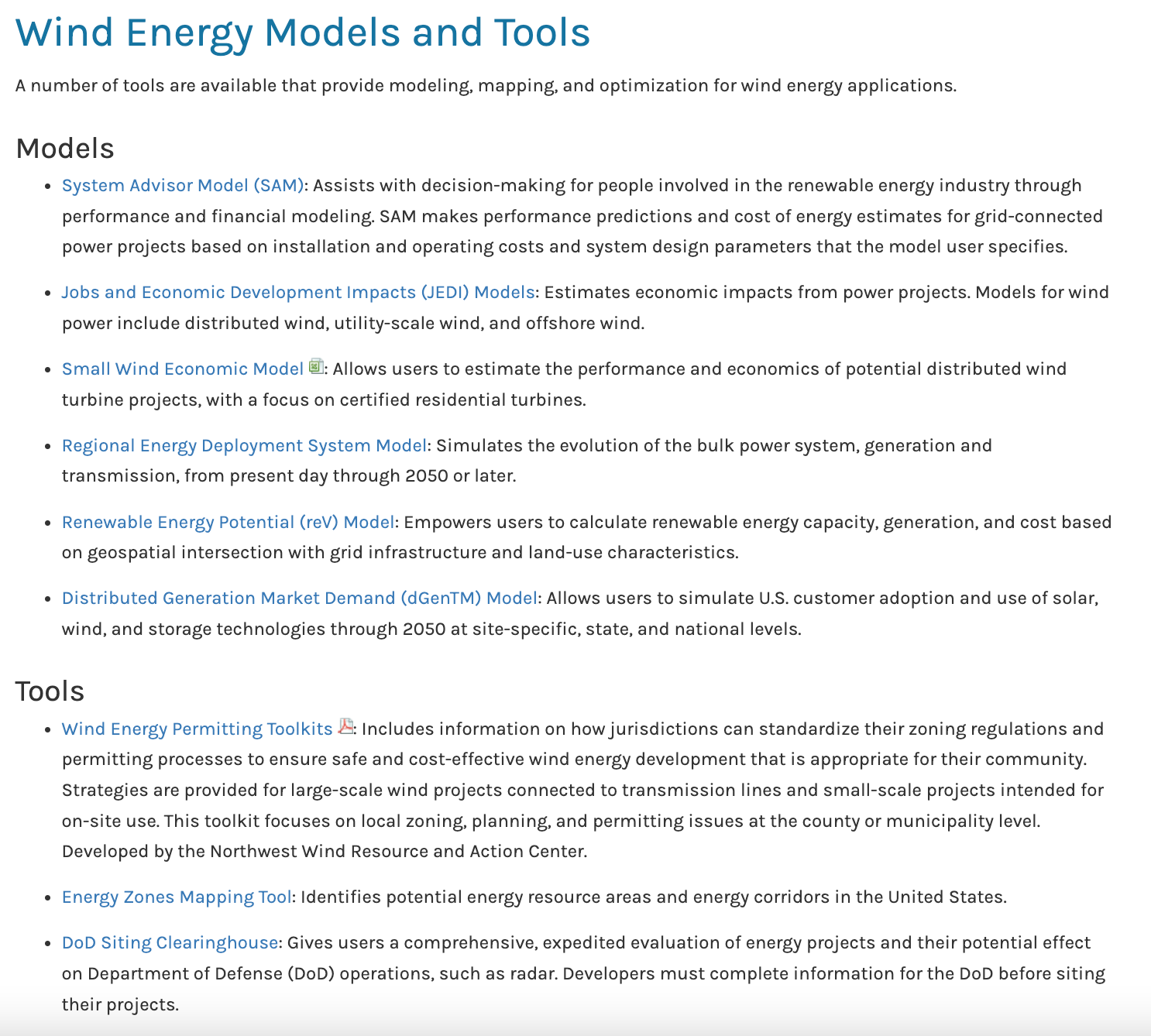
WindExchange
Software Directory
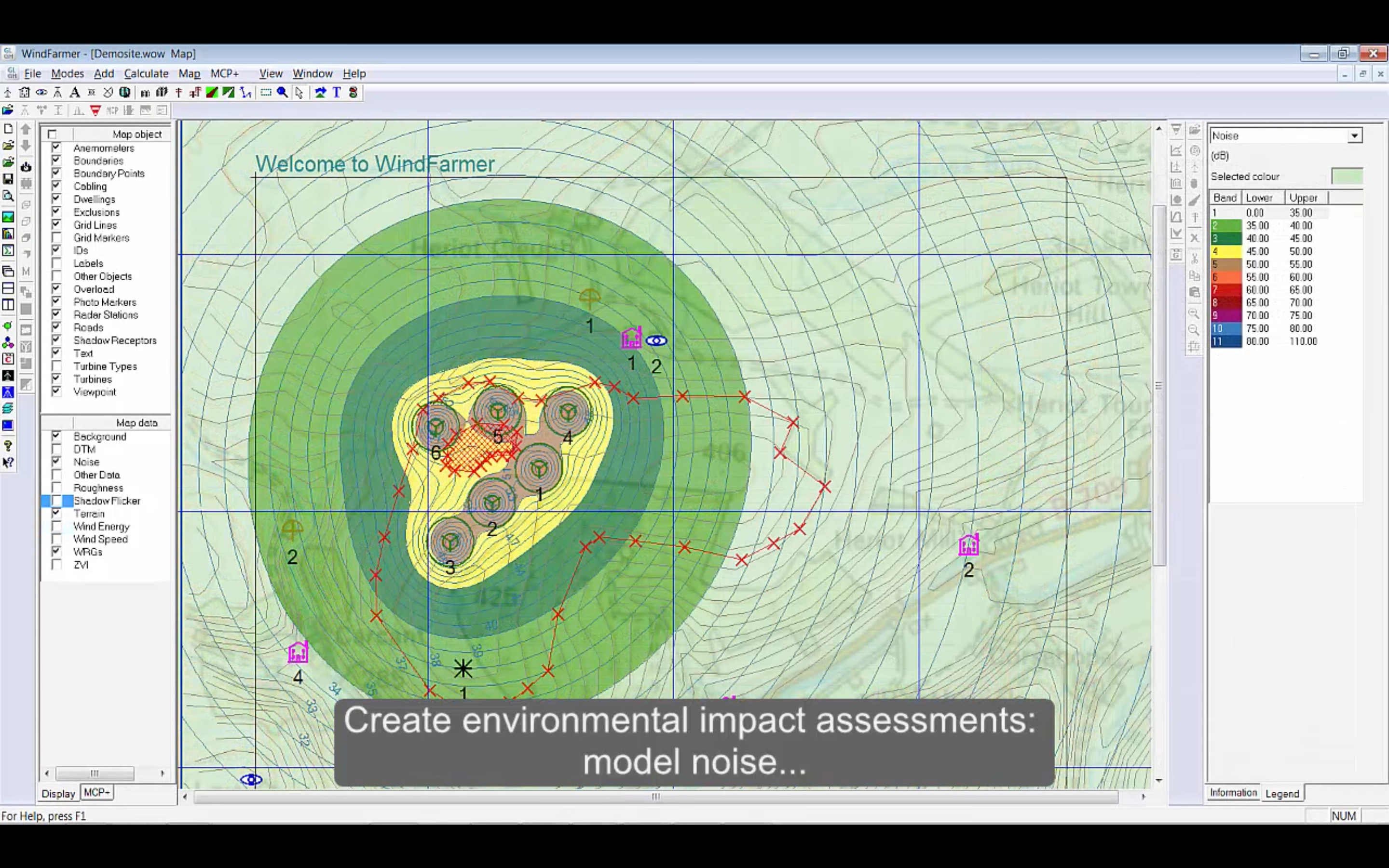
WindFarmer
Wind Farm Design Software
  • Current modeling tools focus on economic impact and wind evaluations
  • WindFarmer models noise, shadow flicker, and visual impact, but costs $5,282
REport: Key Features
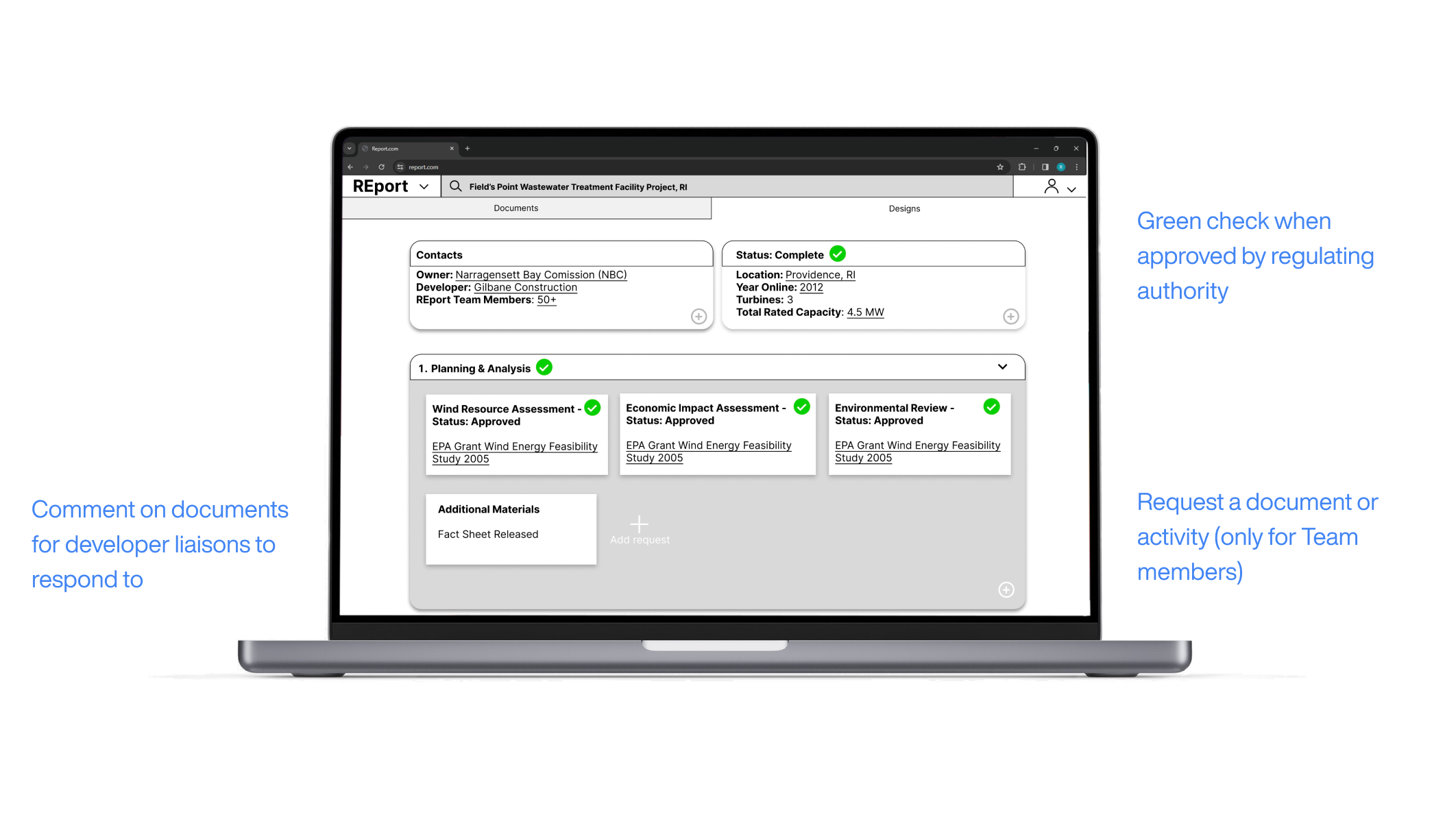
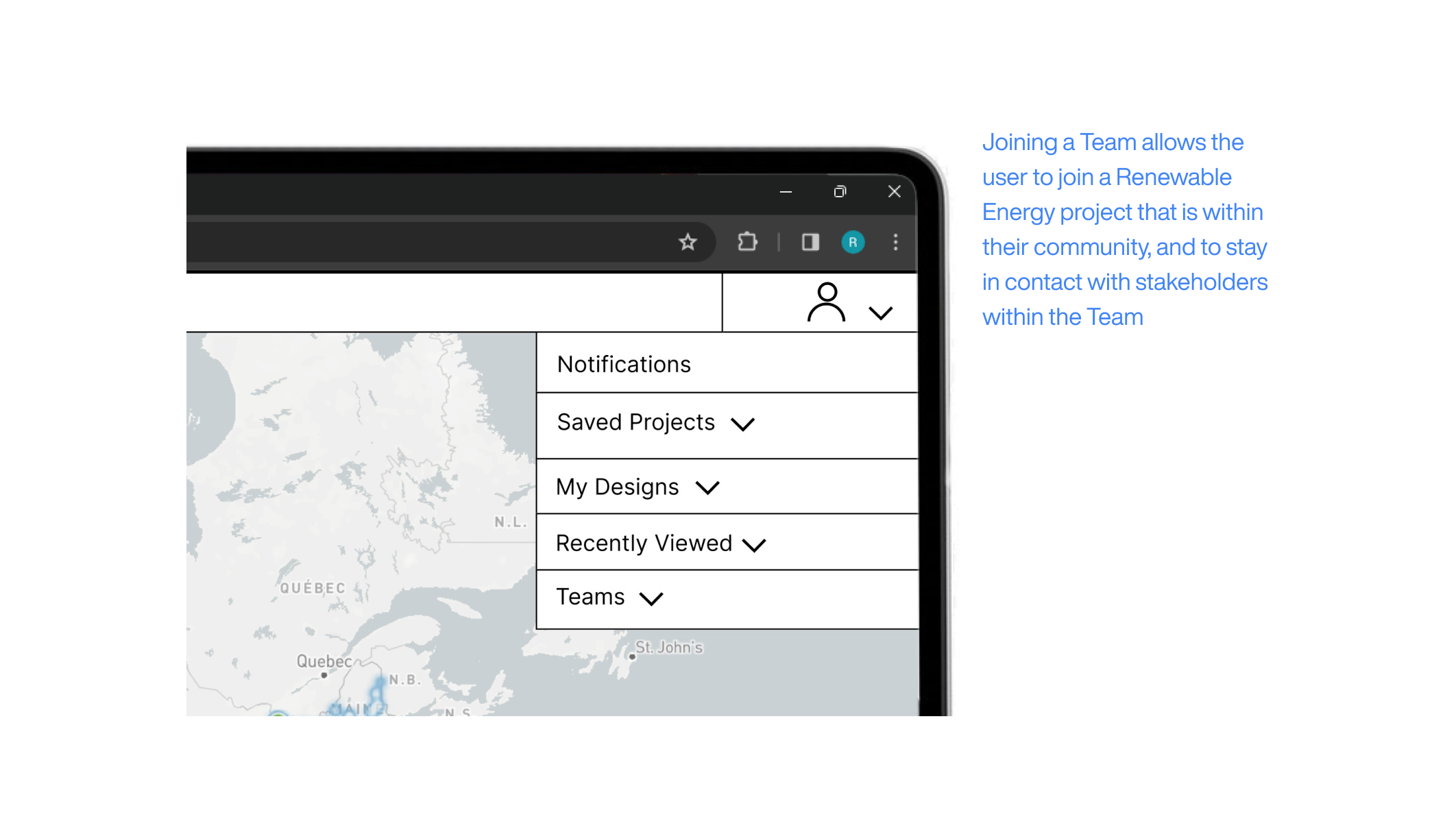
  • Document & Progress tracking
  • Preliminary site layout editing/visualizing capability
  • File commenting and engagement notifications
Spokane Community Solar Project
Final Prototype
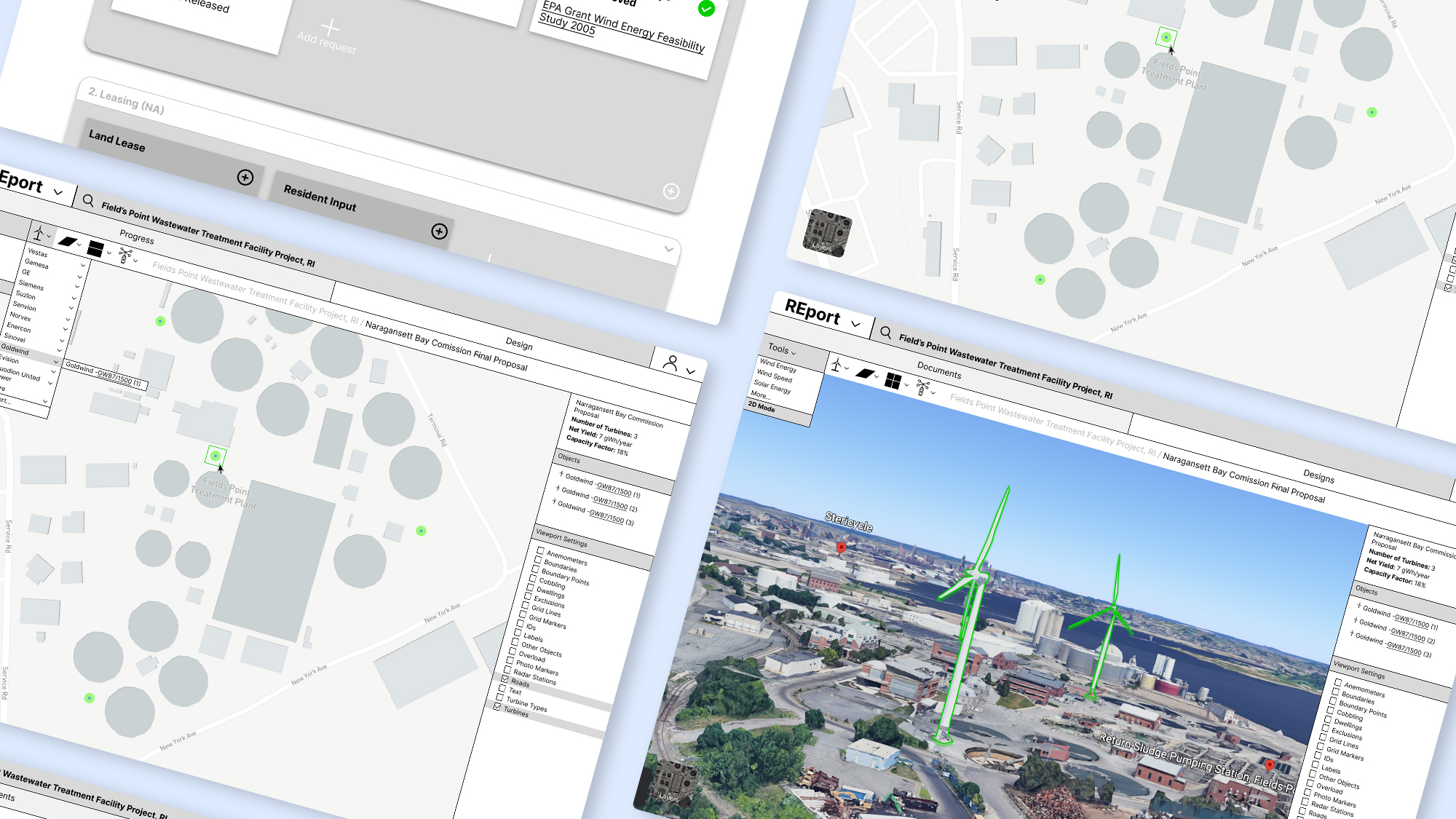
A high fidelity prototype was designed to ensure a productive understanding of the solution during its presentation in studio critique.
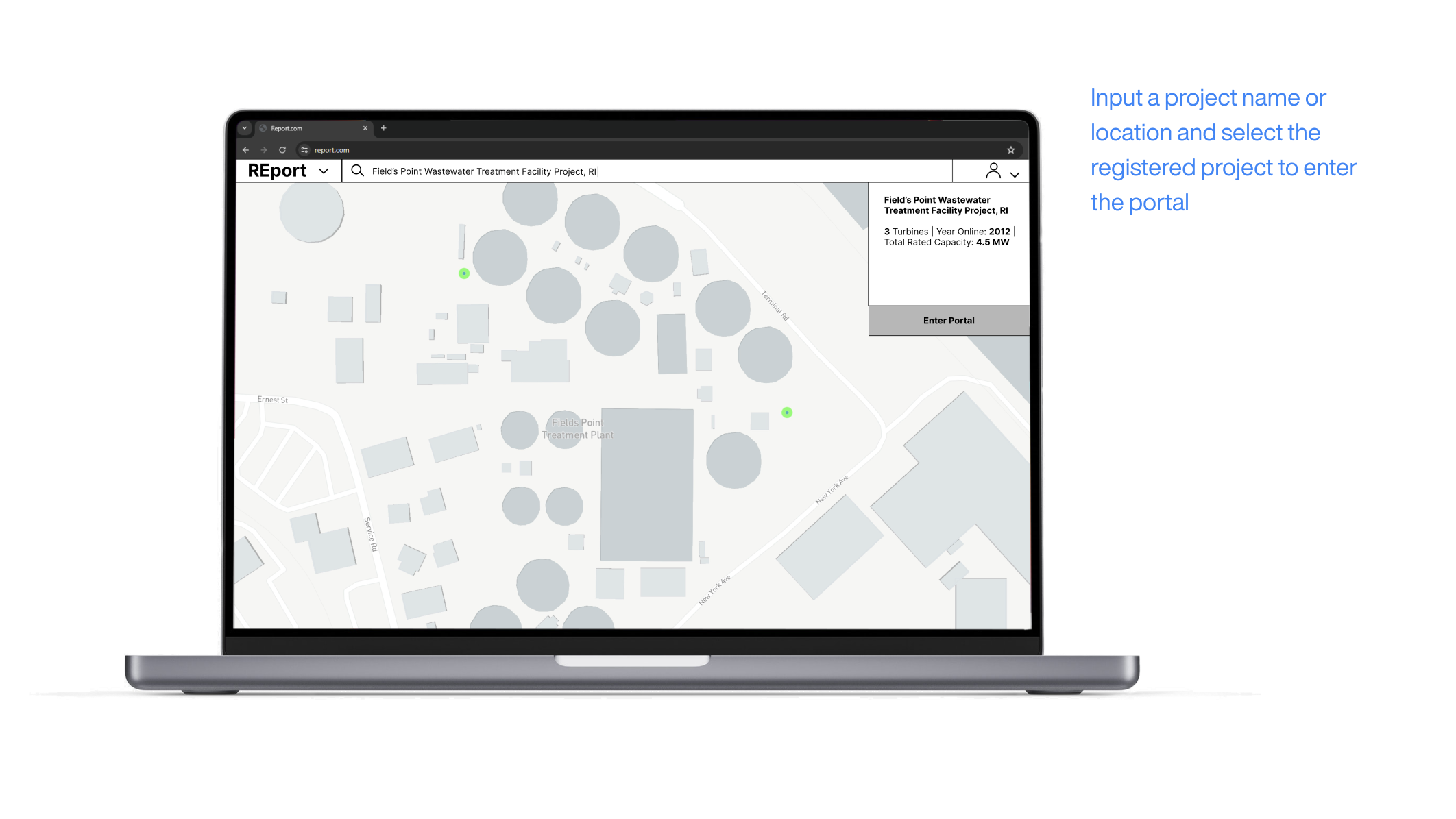
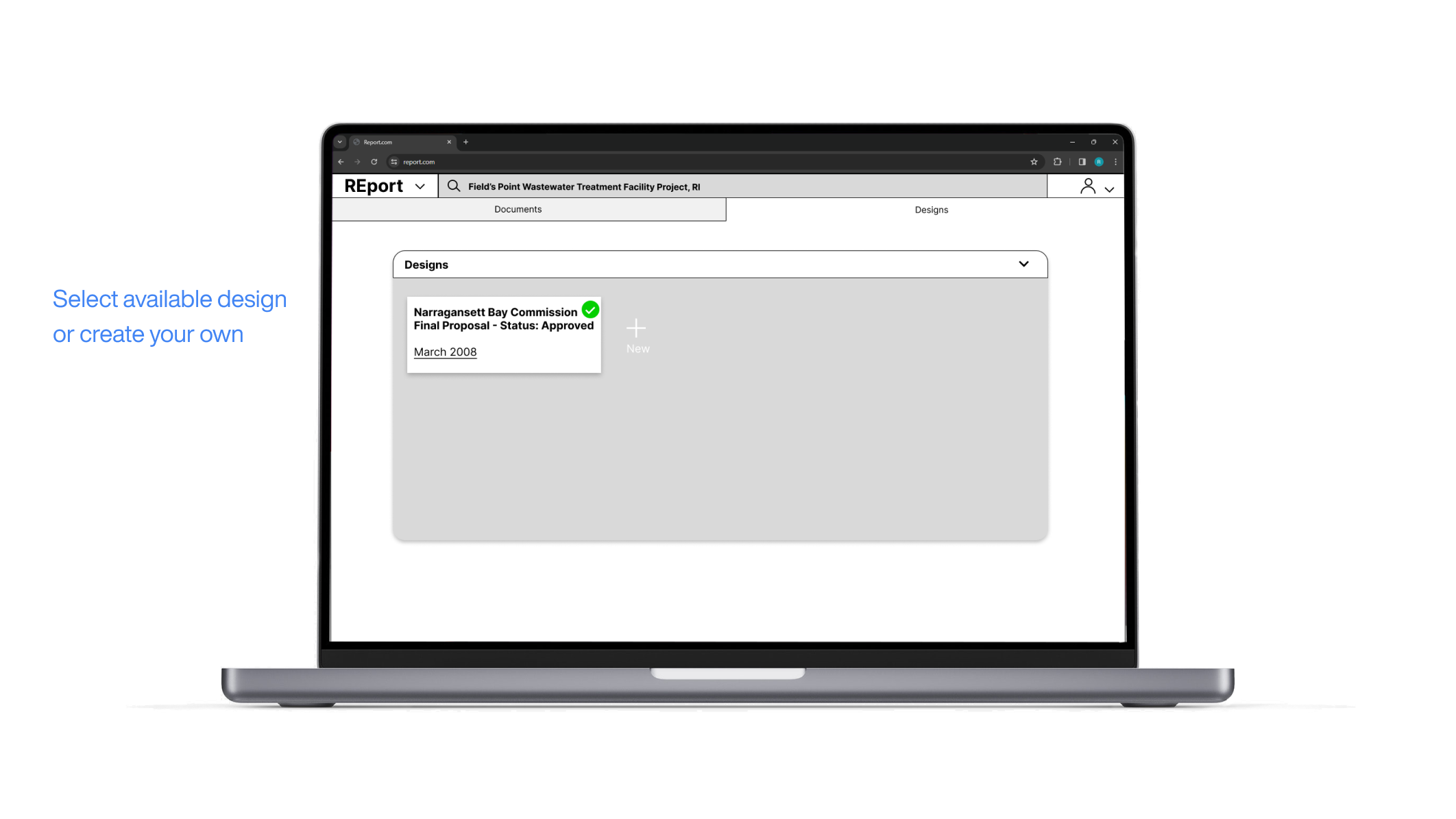
Search Feature
Documents Page
Design Page
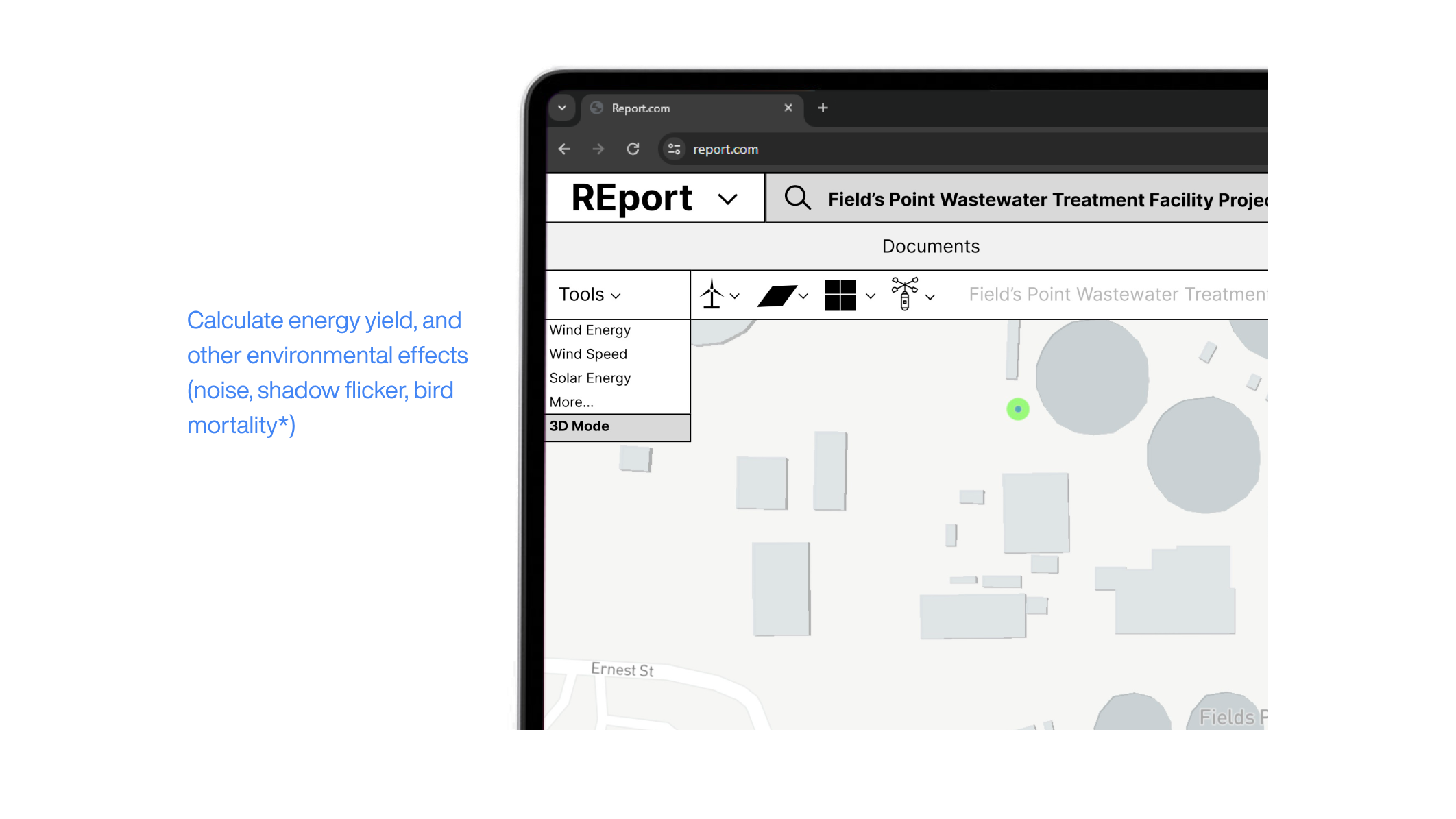
Design Analyzer
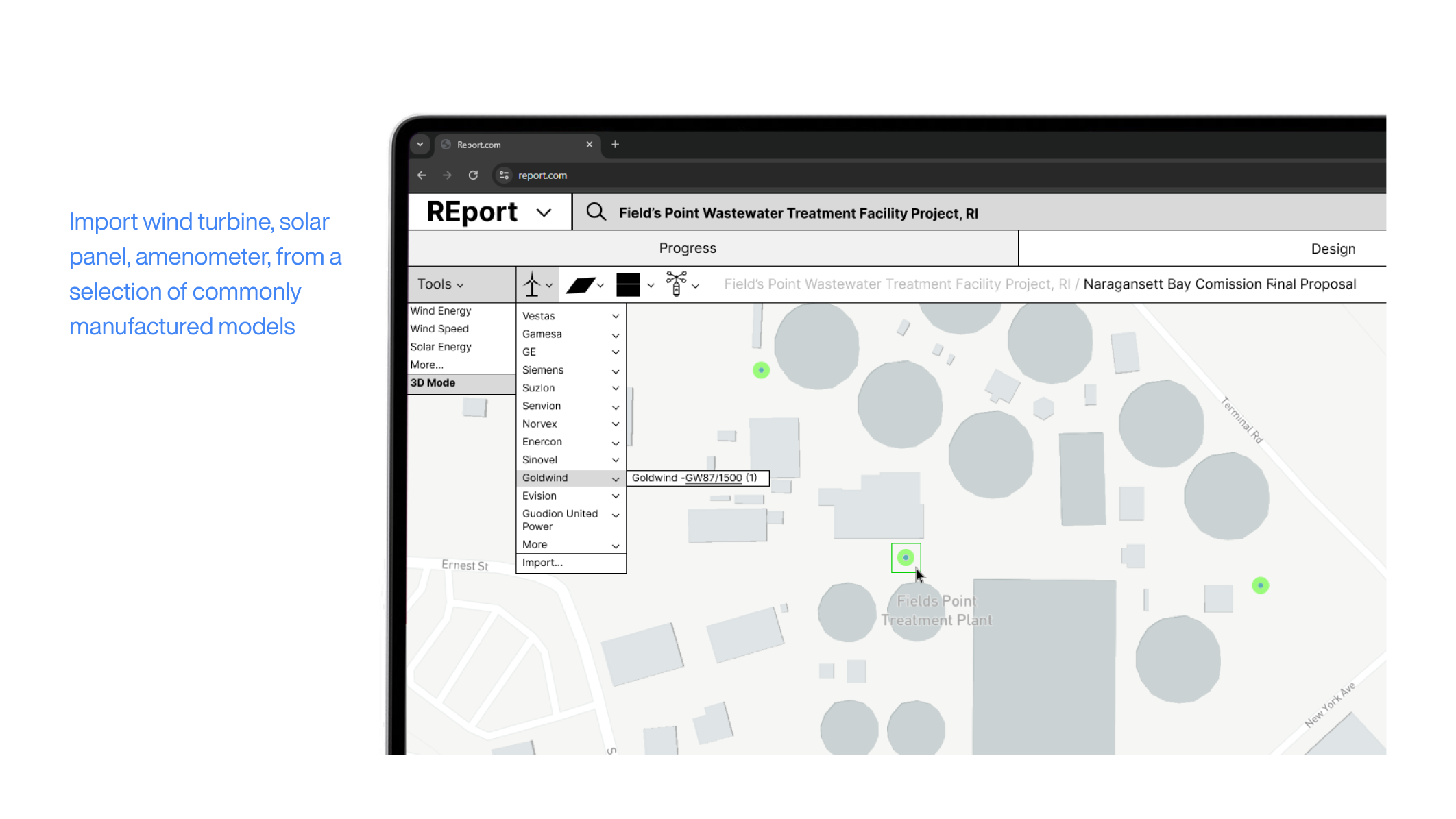
Design Editor
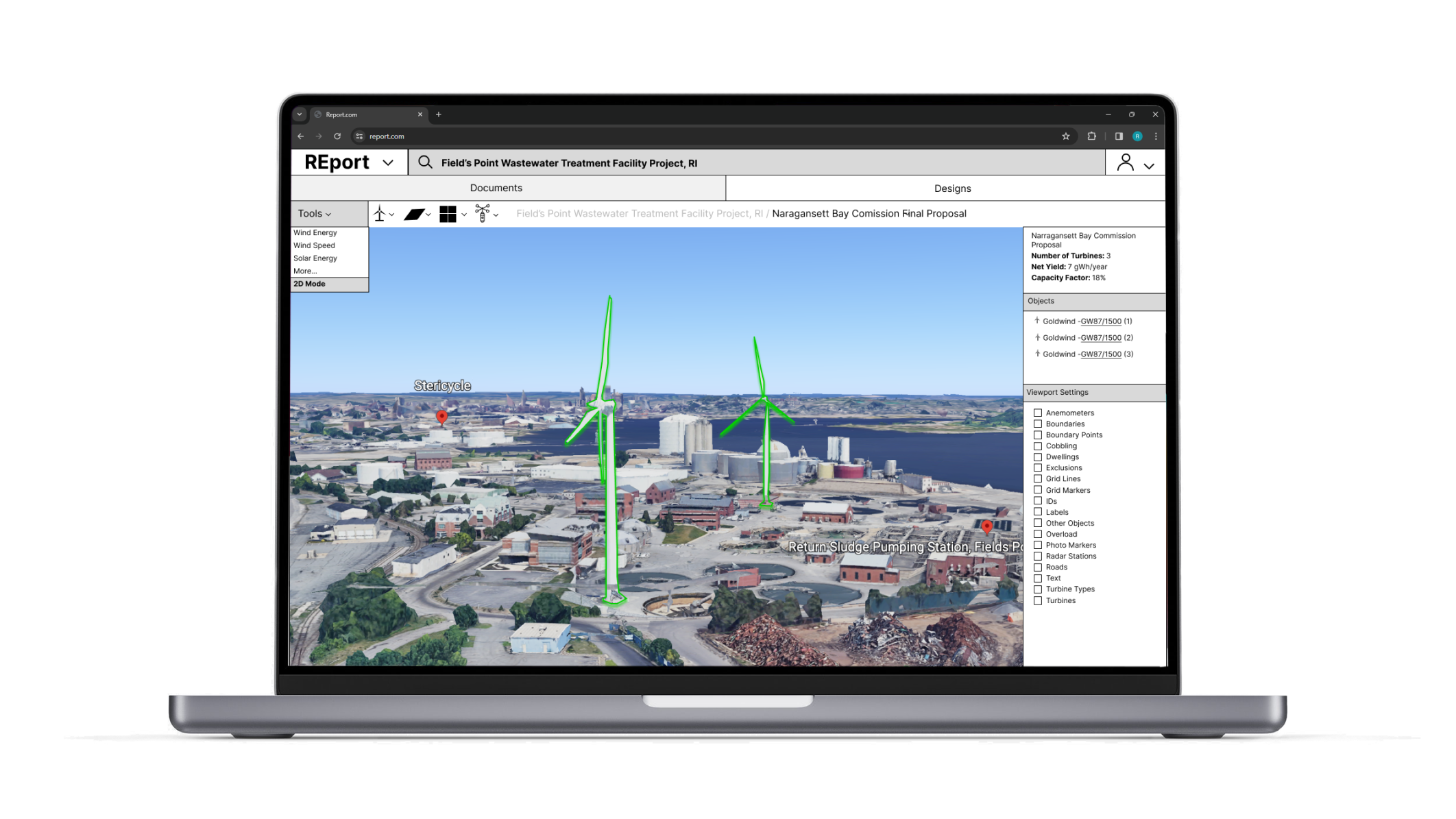
Design 3D Mode (via Google Earth)
Future Forecast (ca. 2040)
  • REport becomes an industry standard in the RE project development process, facilitating the principles of participatory design. 
  • Majority of Americans support Renewable Energy devlopment as it becomes more economical, powerful, and desirable
  • Data reveals that Projects that utilize REport are more likely to succeed and achieve higher profits
  • Biden’s 80% Renewable Energy goal is met by 2040 and most of the US’s potential wind/solar land locations are leased and under construction or already operational
Solar and Wind Generation Occupations, Bureau of Labor Statistics
Next Steps: Refine Features
  • More accessible/friendly interface tailored to company/residents needs & personalities
  • Streamline & increase developer/resident interaction points
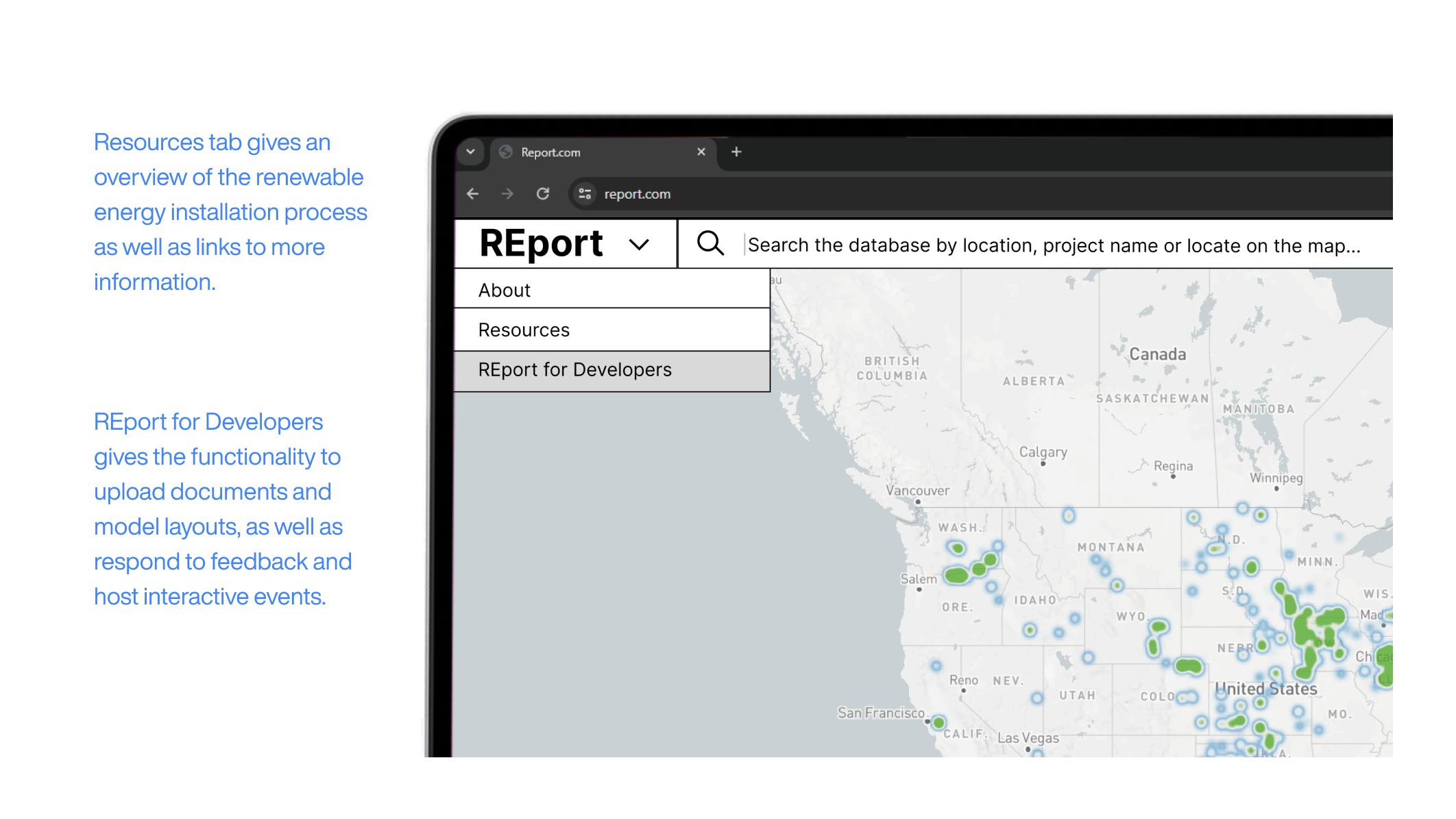
  • Develop About/Resources Page
  • Conceptualize a Documents Timeline feature for all US State/Municipality standard
Next Steps: Hypothetical Actions
  • Develop Certified REporter Status✓ for successful Team Projects (achieved operating RE installation). This achieves credibility for the developing company and builds public acceptance for residents which could spread
  • Partners with research institutions and government task force from US Office of Energy Efficiency & Renewable Energy to continue developing a clearer, more accurate database
  • REport becomes a Public Benefit company to be able to support updates and accommodate stakeholder needs
  • Collaborates with US Department of Energy, Office of Energy Efficiency & Renewable Energy on permitting policy recommendations
Next Steps: Reality
  • Incomplete design, I want to continue making it a more robust proposal
  • I don’t know if this is feasible or possible. I don’t know enough about the process, the residents, or the developing companies to know whether this product would actually help
  • Frustration; coming from a place of unawareness/inexperience, had to do a lot of research and still so much I don’t know
  • However I do believe that participitary design is the future for RE project installations
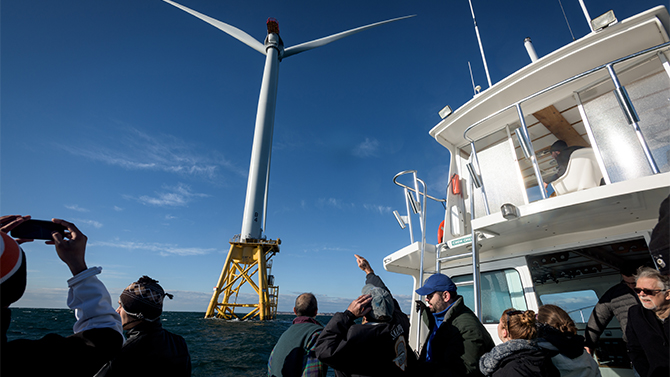
Block Island Offshore Wind Farm
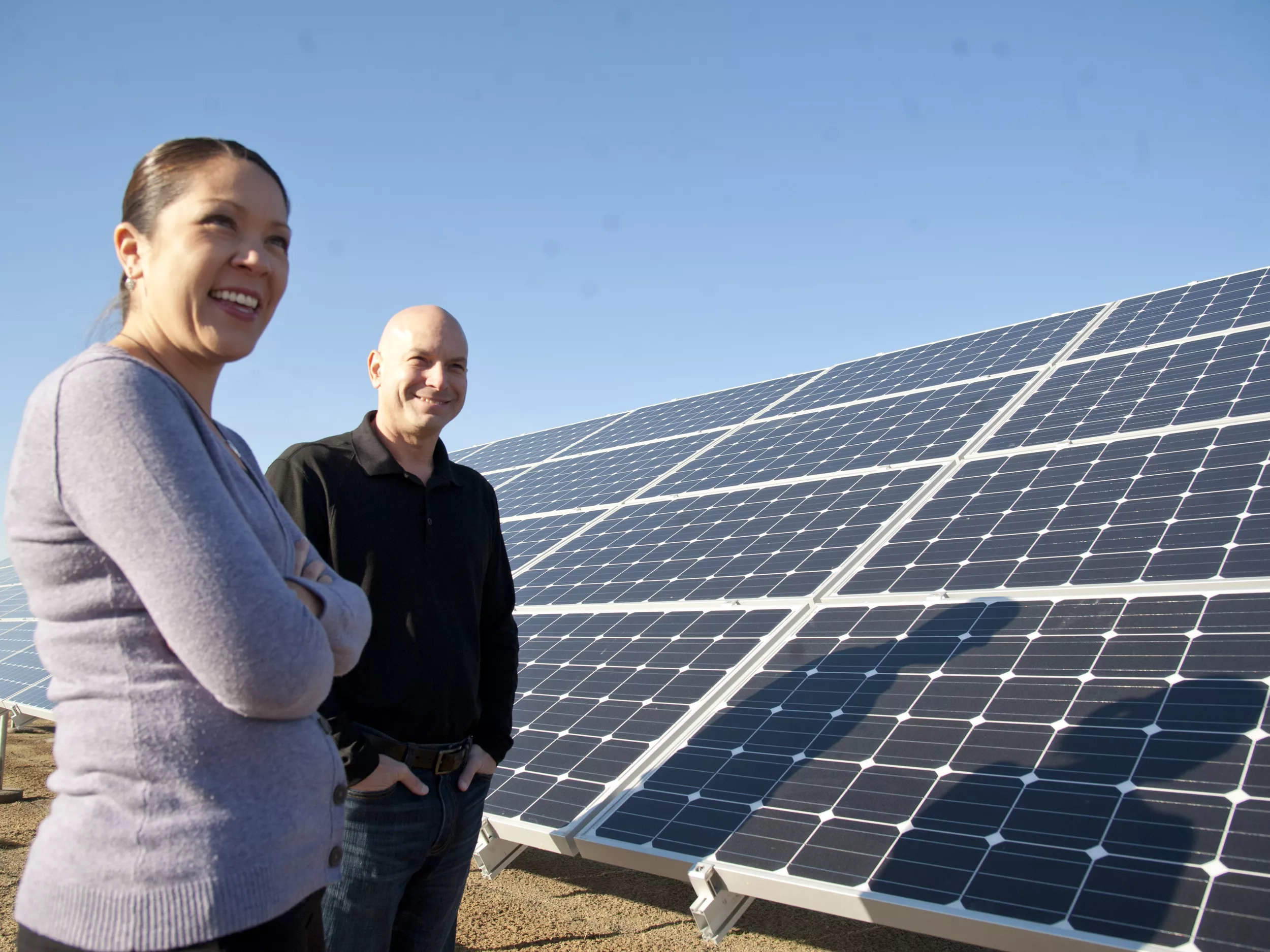
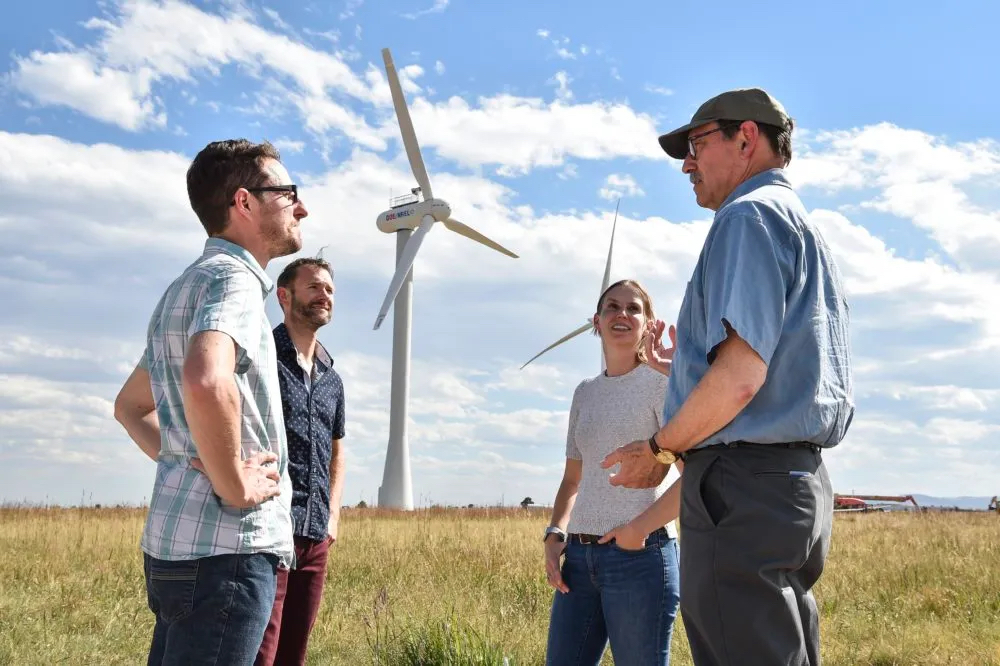
National Wind Technology Center, Boulder Colorado
Block Island Offshore Wind Farm